What Is Reiki?
Reiki is a gentle, non-invasive form of energy work that supports the body's
natural ability to relax, restore balance, and promote overall well-being.
During a Reiki session, I lightly place my hands on or just above different areas of the body.
I do not "give" my own energy; rather, I serve as a channel for universal life energy, allowing it to flow where it is most needed.
Many people describe Reiki as a deeply calming experience that leaves them feeling lighter, more centered,
and more connected to themselves.
Reiki is not tied to any religion or belief system. People of all backgrounds, faiths, and cultures can receive Reiki while
continuing to honor their own personal beliefs.
What Can You Expect During a Session?
Your Reiki session is designed to be peaceful, comfortable, and completely at your own pace.
You will remain fully clothed while lying on a comfortable treatment table or sitting in a chair if that is more comfortable.
Soft music and a quiet environment often help create a relaxing atmosphere.
As the session begins, my gentle hand placements are used around the head, shoulders, torso, arms, legs, and feet,
or just above the body if preferred.
Every experience is unique.
Some people notice:
A pleasant feeling of warmth or coolness
Gentle tingling or subtle sensations
A feeling of heaviness or lightness
Emotional release
Deep relaxation
Vivid colors or peaceful imagery
Falling asleep
Simply enjoying a quiet moment of rest
Others may notice very little during the session itself, yet feel calmer, more balanced, or more energized afterward.
There is no "right" way to experience Reiki. Your body receives exactly what it needs in that moment.
How Does Reiki Work?
Many practitioners view Reiki as working with the body's subtle energy system, helping encourage balance and supporting the body's own natural healing processes. From a medical perspective, the deep state of relaxation many people experience may help reduce stress and promote a greater sense of well-being.
Reiki is not intended to diagnose, treat, or cure medical conditions and should never replace appropriate medical care. Instead, many people choose Reiki as a complementary practice alongside conventional healthcare to support relaxation, emotional balance, and overall wellness.
A Gentle Invitation
Life asks a great deal of us. Between work, responsibilities, family, and the constant pace of everyday life, it's easy to lose touch with ourselves.
Reiki offers an opportunity to simply pause.
It is a quiet space where your mind can rest, your body can relax, and your spirit can breathe.
Whether you are seeking peace during a stressful season, emotional support, personal growth, or simply a moment of stillness, Reiki meets you exactly where you are—with compassion, gentleness, and without judgment.
Every healing journey begins with a single step.
Perhaps this is yours.



The Origins of Reiki
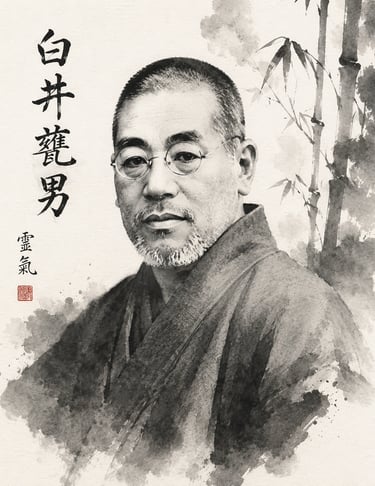
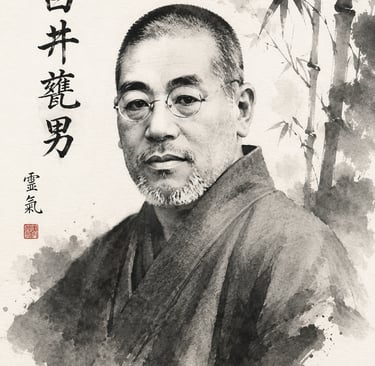
Reiki is a gentle Japanese energy healing practice that was discovered in the early 1900s by Dr. Mikao Usui, a spiritual seeker, educator, and teacher.
His lifelong search centered on one profound question:
"How can we awaken the body's natural ability to heal and restore balance?"
After years of studying spiritual traditions, meditation, and ancient writings, Dr. Usui undertook a 21-day period of meditation and fasting on the sacred mountain of Kurama, near Kyoto, Japan. During this retreat, he experienced a profound spiritual awakening that forever changed his life. From this experience emerged the healing system now known throughout the world as Reiki.
The word Reiki comes from two Japanese words:
Rei – Universal, spiritual, or divine wisdom
Ki – The life energy that flows through all living things
Together, Reiki may be understood as "Universal Life Energy."
Dr. Usui believed this energy is available to everyone and that by working with it, we can encourage harmony within the body, mind, and spirit. He spent the remainder of his life teaching Reiki and sharing this gentle healing art with thousands of people throughout Japan.
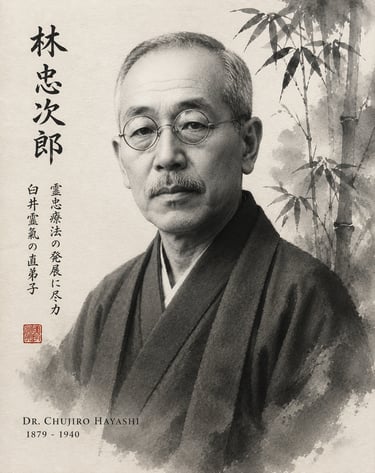
Dr. Chujiro Hayashi
One of Dr. Usui's most dedicated students was Dr. Chujiro Hayashi, a retired naval physician. Drawing upon his medical background, Dr. Hayashi helped organize and refine Reiki into a practical healing system.
He established one of the first Reiki clinics in Tokyo, where practitioners often worked together to provide treatments for those seeking physical, emotional, and spiritual support. Through careful observation and experience, he developed many of the hand positions and treatment methods that continue to be practiced today.
Dr. Hayashi helped preserve Dr. Usui's teachings while making Reiki accessible to people from all walks of life.
Hawayo Takata
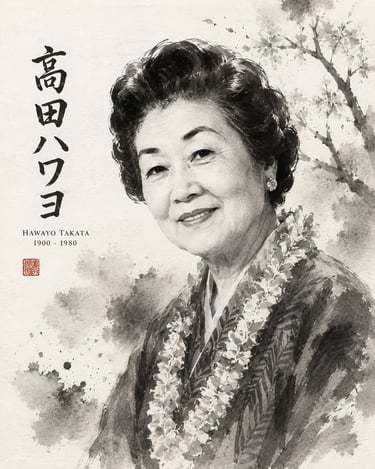
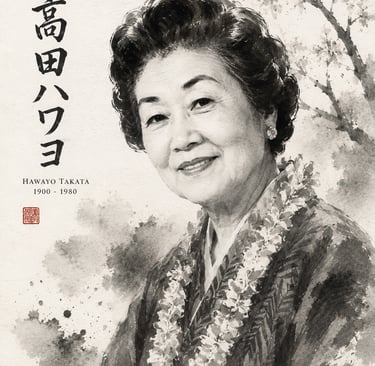
The person most responsible for bringing Reiki to the Western world was Mrs. Hawayo Takata.
Born in Hawaii to Japanese parents, Mrs. Takata traveled to Japan in the 1930s while experiencing significant health challenges. During her stay, she received Reiki treatments at Dr. Hayashi's clinic. Deeply moved by her experience, she chose to study Reiki under Dr. Hayashi and eventually became a Reiki Master.
Returning to Hawaii, Mrs. Takata devoted her life to teaching Reiki. Through her dedication, compassion, and perseverance, Reiki spread across North America and eventually throughout the world.
Today, millions of people have experienced Reiki, and nearly every Reiki practitioner in the West can trace their lineage back through Mrs. Takata, Dr. Hayashi, and ultimately to Dr. Mikao Usui.
The Five Reiki Principles
At the heart of Reiki are five simple principles given by Dr. Mikao Usui.
He encouraged his students to recite them each morning and evening as a daily meditation and guide for living.
Each begins with the words:
"Just for today..."
These words remind us that we don't need to carry the weight of yesterday or worry about tomorrow.
Instead, we are invited to focus on this present moment.
Just for today, I will not anger.
Anger is a natural human emotion, but holding onto it can weigh heavily on both the body and the mind. This principle encourages us to respond with patience, compassion, and understanding whenever possible.
Just for today, I will not worry.
Worry often comes from imagining a future that has not yet happened. Reiki invites us to trust the present moment and remember that we can only take one step at a time.
Just for today, I will be grateful.
Gratitude shifts our focus from what is missing to the many blessings already present in our lives. Even on difficult days, there is always something to appreciate—a sunrise, a kind word, the love of family, or the companionship of an animal.
Just for today, I will do my work honestly.
This principle reminds us to live with integrity and give our best effort in whatever we do. Honest work is about more than a career—it is about living authentically, honoring our commitments, and treating others with fairness and respect.
Just for today, I will be kind to every living thing.
Kindness is one of the greatest expressions of Reiki. Whether we are caring for another person, comforting an animal, or spending time in nature, every act of compassion creates ripples of healing that extend far beyond ourselves.
Living the Reiki Principles
The Five Reiki Principles are not meant to be followed perfectly. They are gentle reminders that every day is a new beginning.
Some days are easier than others, and that's okay.
Reiki teaches us that healing is a journey, not a destination. Each day offers another opportunity to choose peace over fear, gratitude over scarcity, kindness over judgment, and presence over distraction.
As Dr. Usui reminded his students:
Just for today...
That is enough.
"The secret art of inviting happiness.
The miraculous medicine for all diseases.
Just for today, do not anger.
Do not worry.
Be humble.
Be honest in your work.
Be compassionate to yourself and others."
— Dr. Mikao Usui
OUR ADDRESS
Hornell NY
CONTACT US
emily@reipaw.com
607-382-7423
WORKING HOURS
By Appointment